
- Gangoo, Pulwama, Jammu & Kashmir, India
Neurosurgery
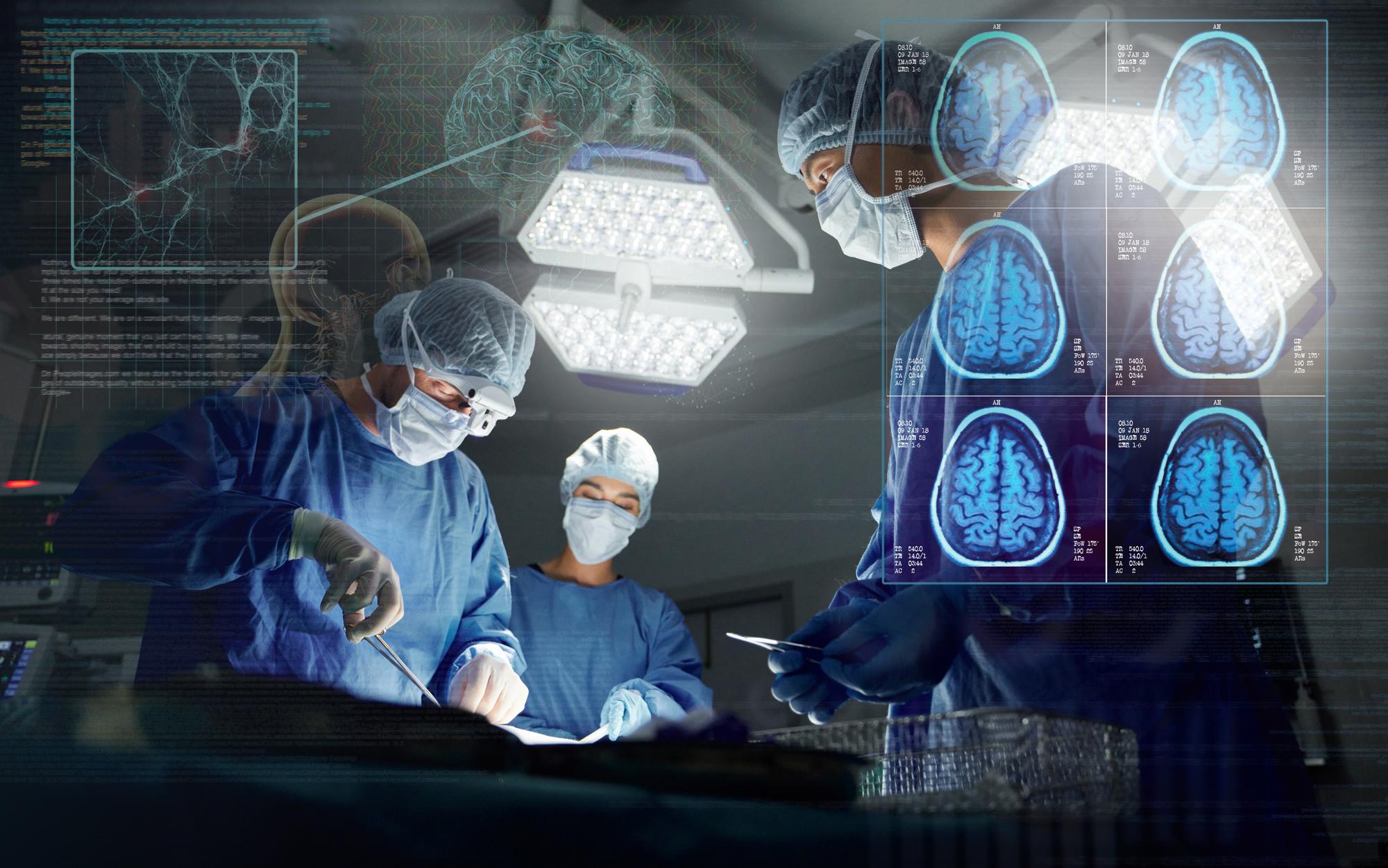
Department of Neurosurgery
The Department of Neurosurgery at Mohammadia Nursing Home provides specialised surgical care for diseases and injuries of the brain, spine, and nervous system. Our expert neurosurgeons are trained to handle both elective and emergency neurosurgical conditions with the highest level of precision and care.
We are equipped with advanced operation theatres and modern neurosurgical instruments that meet NABH standards. Our neurosurgical team works in close coordination with the Anaesthesiology, ICU, General Medicine, and Radiology departments to ensure comprehensive and safe neurological care for every patient.
Our neurosurgery unit handles a wide range of brain and spine conditions with utmost precision and patient safety.
- Brain tumour surgery
- Spine & disc surgery
- Head injury & trauma management
- Hydrocephalus treatment
- Peripheral nerve surgeries
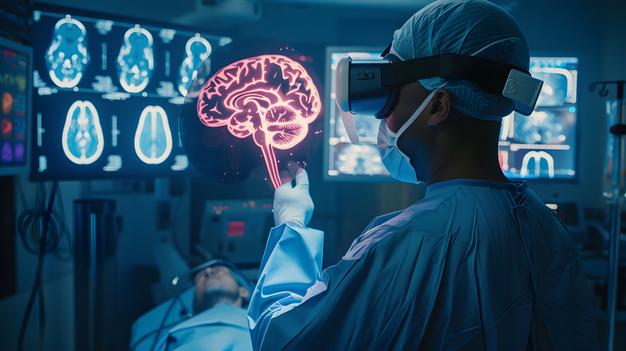
Our neurosurgeons bring extensive experience and expertise in managing complex brain and spinal conditions. As a NABH accredited hospital, Mohammadia Nursing Home maintains strict surgical safety protocols, infection control standards, and post-operative care guidelines. Our dedicated neurosurgical ward and ICU ensure patients receive round-the-clock monitoring and care during their recovery.
We treat conditions including brain tumours, head injuries, traumatic brain injury (TBI), spinal cord injuries, herniated discs, spinal stenosis, hydrocephalus, brain haemorrhage, cerebral aneurysms, epilepsy requiring surgical intervention, and peripheral nerve disorders. Both emergency and elective neurosurgical cases are managed with the highest standards of care.
Our department offers pre-operative neurosurgical consultations, emergency brain and spine surgeries, post-operative neurological monitoring, ICU care, rehabilitation support, and long-term follow-up. We coordinate with Radiology for CT scans and MRI imaging, and with General Medicine for complete pre-operative medical clearance of all surgical patients.
Patients are advised to strictly follow post-operative instructions including wound care, activity restrictions, and medication schedules. Any new or worsening symptoms such as severe headache, vision changes, weakness, or seizures should be reported immediately. Regular follow-up visits are essential for monitoring recovery and preventing complications after neurosurgical procedures.