
- Gangoo, Pulwama, Jammu & Kashmir, India
Gastroenterology
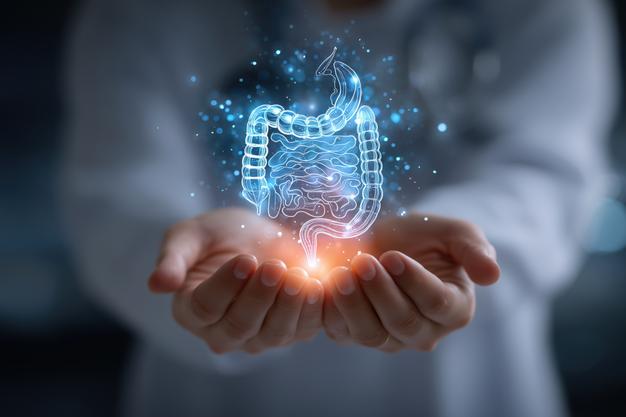
Department of Gastroenterology
The Department of Medical Gastroenterology at Mohammadia Nursing Home specialises in the diagnosis and treatment of diseases related to the digestive system. Our experienced gastroenterologists provide expert care for conditions affecting the oesophagus, stomach, small intestine, large intestine, liver, pancreas, and gallbladder.
We use modern diagnostic and therapeutic techniques to ensure accurate diagnosis and effective treatment. Our team works closely with General Surgery, Radiology, and Laboratory departments to provide comprehensive gastrointestinal care to all patients.
Our gastroenterology unit provides complete digestive health care with the latest diagnostic tools and treatment methods.
- Diagnosis of stomach & intestinal disorders
- Liver disease management
- Acid reflux & GERD treatment
- Irritable bowel syndrome (IBS) care
- Pancreatic & gallbladder disorders
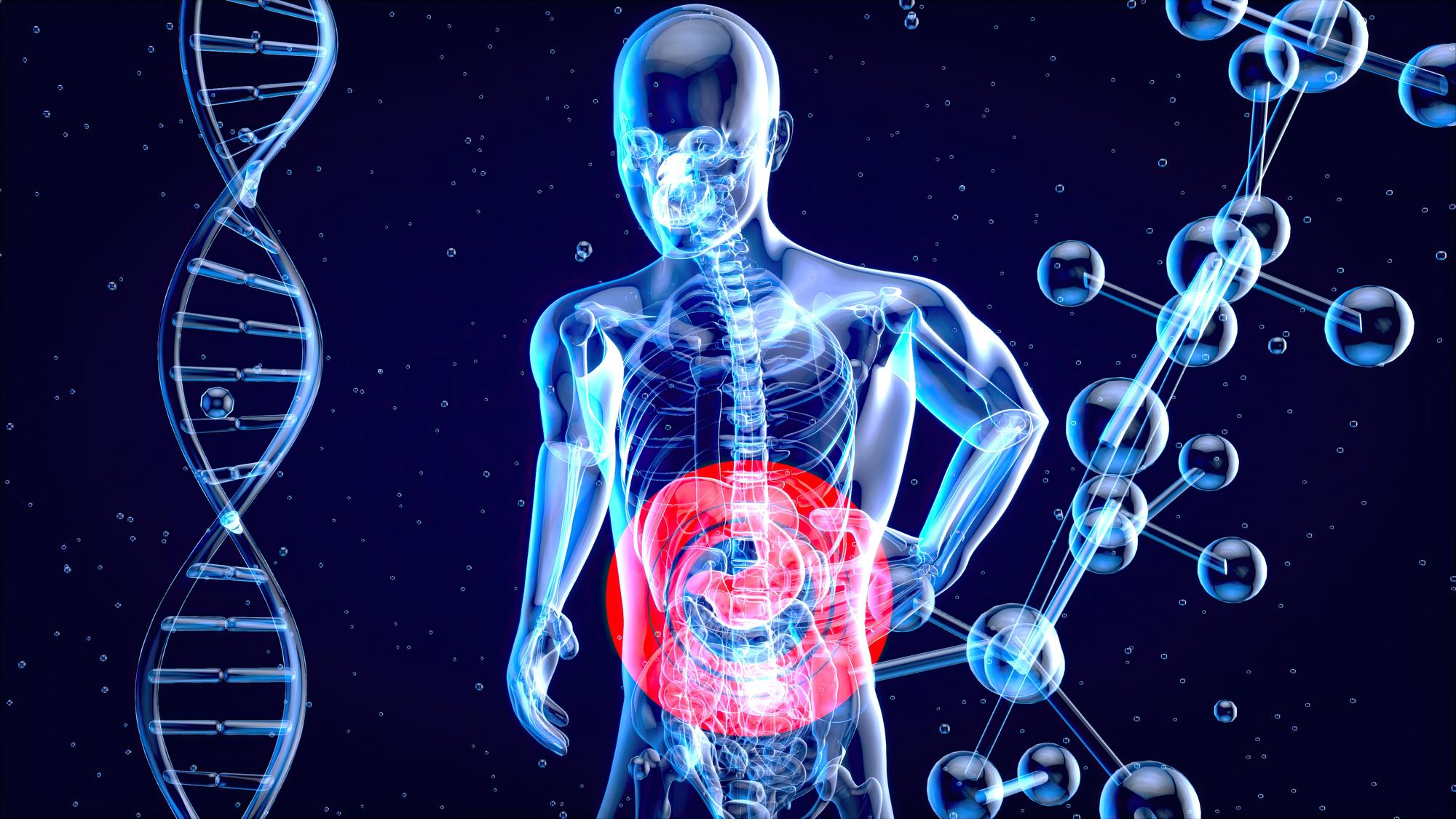
Our gastroenterologists are highly skilled in managing both common and complex digestive conditions. As a NABH accredited hospital, Mohammadia Nursing Home ensures the highest standards of care, hygiene, and patient safety. We provide timely diagnosis and personalised treatment plans that improve the quality of life for patients suffering from gastrointestinal disorders.
We treat conditions including gastroesophageal reflux disease (GERD), peptic ulcer disease, irritable bowel syndrome (IBS), inflammatory bowel disease (IBD), Crohn's disease, ulcerative colitis, liver cirrhosis, hepatitis, fatty liver disease, pancreatitis, gallstones, and gastrointestinal bleeding. Our team provides accurate diagnosis and effective long-term management for all digestive disorders.
Our department offers OPD consultations, indoor admissions, liver function evaluation, abdominal ultrasound coordination, stool and blood investigations, dietary counselling, and long-term follow-up care. We work in close collaboration with General Surgery for cases requiring surgical intervention and with the Laboratory for detailed diagnostic workup.
Patients are advised to maintain a healthy balanced diet, avoid spicy and oily foods, limit alcohol consumption, stay well hydrated, and avoid self-medication especially pain killers and antibiotics without prescription. Regular follow-up is essential for patients with chronic liver disease, IBD, or peptic ulcer to monitor disease progression and prevent complications.